
round led mirror for dressing table
The Importance of Safety Caps for 20-28mm Plastic Rebar A Comprehensive Overview In the construction industry, safety is paramount, especially when dealing with materials such as rebar, which is often used to reinforce concrete structures. One innovative solution that has gained traction in recent years is the use of plastic safety caps for rebars, particularly those sized between 20-28mm. These safety caps serve a critical purpose by providing protection for both workers and the integrity of the construction site. What Are Plastic Rebar Safety Caps? Plastic safety caps are designed to fit securely over the exposed ends of rebar, which are often sharp and can pose a serious risk of injury. When rebars are cut or placed in position, their sharp ends protrude, creating hazards for workers who may inadvertently come into contact with them. The safety caps are engineered to cover these exposed sections, significantly reducing the risk of cuts, punctures, and other injuries. Manufactured from durable polyethylene or other robust plastics, these caps are lightweight, resistant to weather elements, and durable enough to withstand harsh job site conditions. When designed for rebar sizes ranging from 20 to 28mm, they fit snugly to ensure that they do not easily dislodge, providing reliable safety throughout the construction process. Protecting Workers and Enhancing Site Safety One of the most compelling reasons for using plastic safety caps is to enhance worker safety. Construction sites are inherently dangerous, and even minor injuries can result in significant time lost or even worse, long-term injury. By capping the ends of rebars, contractors can minimize the risk of accidents, thereby creating a safer work environment. Studies have shown that implementing safety measures, such as using rebar caps, can greatly reduce workplace injuries. In addition, having a site that prioritizes safety can improve worker morale and productivity. Employees are more likely to perform well when they feel secure in their working environment, and this translates to a more efficient construction project overall. 20-28mm plastic rebar safety cap Compliance with Safety Regulations Construction companies are often required to adhere to strict safety regulations set forth by governmental and industry bodies. The Occupational Safety and Health Administration (OSHA) and other regulatory agencies mandate that employers take proactive measures to ensure the safety of their workers. This includes the proper capping of exposed rebar ends. Failure to comply with these regulations can result in hefty fines and legal repercussions, not to mention the negative impact on a company’s reputation. By utilizing plastic safety caps for rebar, companies can not only meet these requirements but also demonstrate their commitment to worker safety. This proactive approach can enhance a company’s standing in the industry and attract clients who value corporate responsibility. Environmental Considerations Another angle worth considering is the environmental impact of plastic safety caps. With increasing awareness around sustainable practices in construction, manufacturers are responding by creating caps from recycled or more sustainable materials. This shift not only reduces waste but also aligns with global efforts to minimize the environmental footprint of construction activities. Conclusion In summary, the use of plastic safety caps for 20-28mm rebar is a simple yet effective solution for enhancing safety on construction sites. They protect workers from potential injuries, ensure compliance with safety regulations, and can contribute positively to a company’s reputation. As the construction industry continues to evolve, adopting such safety measures will be crucial in creating a safe and responsible work environment. Investing in safety is not just about following regulations; it is about fostering a culture of care and responsibility that ultimately benefits workers, companies, and the communities they serve.
about
round led mirror for dressing table
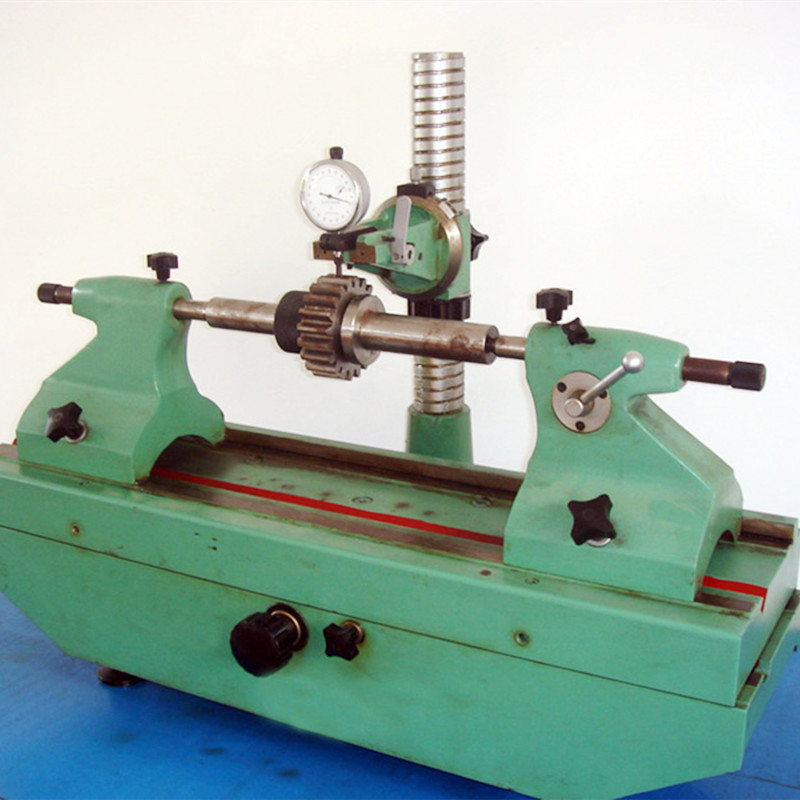
Understanding the Runout Tester A Key Tool in Precision Engineering In the world of precision engineering, the importance of accurate measurements cannot be overstated. Among various tools employed to ensure precision, the runout tester stands out as an essential device for evaluating the performance of rotating machinery and components. This article delves into the fundamentals of the runout tester, its applications, and its significance in maintaining high standards of engineering. What is a Runout Tester? A runout tester, also known as a dial indicator or runout gauge, is a precision measuring instrument used to determine the deviation of a rotating part from its true geometric center. This deviation, known as runout, can lead to significant issues in machinery performance, including vibrations, noise, and premature wear of components. The runout tester works by measuring the radial displacement of a rotating object—like a shaft or a wheel—at various points along its circumference. How Does It Work? The operation of a runout tester is relatively straightforward . The device typically consists of a dial indicator mounted on a stable base, which is brought into contact with the part being measured. As the part rotates, variations in its surface alignment cause the dial indicator needle to move. By recording the maximum and minimum measurements indicated during a full rotation, an engineer can calculate the total runout, which is the difference between these two measurements. Types of Runout There are two primary types of runout that are commonly measured Total Runout and Circular Runout. Total runout assesses the cumulative deviation of a part’s entire surface as it rotates, ensuring that the part can be reliably positioned within its manufacturing tolerances. Circular runout, on the other hand, focuses on a specific point along the diameter, allowing for a more localized evaluation of a part’s rotational accuracy. runout tester Applications in Engineering Runout testers are utilized in various engineering fields, including automotive, aerospace, and manufacturing. In the automotive industry, for example, they are critical in aligning brake rotors and ensuring that wheels are dynamically balanced. In aerospace, precise measurements are crucial for ensuring that turbine blades and other rotating components operate within stringent tolerances to avoid catastrophic failures. Additionally, machine shops frequently use runout testers during the machining process to verify the accuracy of parts before they are installed. This proactive measure helps in minimizing the likelihood of costly reworks and downtime, thus enhancing productivity and efficiency. The Importance of Runout Testing The significance of runout testing extends beyond mere compliance with specifications. It is vital for enhancing the overall performance and longevity of mechanical components. By ensuring that components are correctly manufactured and positioned, runout testers help to mitigate vibration-related issues that can lead to mechanical failure. Consequently, the regular use of a runout tester contributes to lower maintenance costs, reduced operational downtime, and improved safety in engineering systems. Conclusion In summary, the runout tester is an indispensable tool in the realm of precision engineering. Its ability to accurately measure the alignment and balance of rotating components plays a significant role in ensuring operational efficiency and safety across various industries. As technology advances, the integration of digital runout testers and advanced analytics is likely to increase the accuracy and reliability of these measurements, further solidifying their importance in modern engineering practices. Whether in a machine shop or on the production floor, the runout tester remains a fundamental device for quality assurance and performance optimization.
-

High quality industrial productsagement

High quality industrial products
View Details -

Meet the diverse needs of customers

Meet the diverse needs of customers
View Details -

Strict quality control

Strict quality control
View Details -

Top raw materials

Top raw materials
View Details -

Trusted supplier

Trusted supplier
View Details
Our application



news and information

Vanne à soupape flanquée 4 pouces pour applications industrielles et domestiques
Vanne à opercule de 4 pouces avec brides une solution fiable pour les systèmes de conduits Les vann
Using a Level for Accurate Measurements with a Marking Ruler
Using a Marking Ruler with Spirit Level A Guide to Precision in Projects When it comes to achieving
Wooden Villa House Connection Solutions with Truss Mending Nail Plates for Structural Integrity
The Essential Role of Truss Mending Nail Plates in Wood Villa Construction Wooden villas exude charm
 English